
The Benefits of Choosing Acrylic Cladding Over Solid Surface Panels

Acrylic Cladding Over Solid Surface Panels are two popular materials widely used in both interior design and architectural projects. While both have their advantages, acrylic is often the preferred choice due to its versatility, visual appeal, and practical benefits. In this post, we'll dive into the key advantages of acrylic cladding over its solid surface counterpart, enabling you to make a well-informed decision for your upcoming project.
Understanding Acrylic Cladding
Acrylic cladding is composed of polymethyl methacrylate (PMMA), a durable plastic known for its clarity and strength. This material is resistant to UV light, making it an excellent choice for both indoor and outdoor applications. It comes in a wide range of colors and finishes, offering designers a great deal of creative freedom.
This material is lightweight and easy to handle, simplifying the installation process and reducing labor costs. Its smooth surface is simple to clean and maintain, which is especially beneficial for high-traffic areas. For instance, using acrylic cladding in a busy commercial lobby can make a significant difference in how quickly maintenance teams can restore its pristine look.
The Aesthetic Appeal of Acrylic
One of the standout features of acrylic cladding is its aesthetic appeal. It can easily mimic the look of glass while being considerably more durable and much less likely to shatter. This makes it a favorite for designers aiming to create contemporary, sophisticated environments.
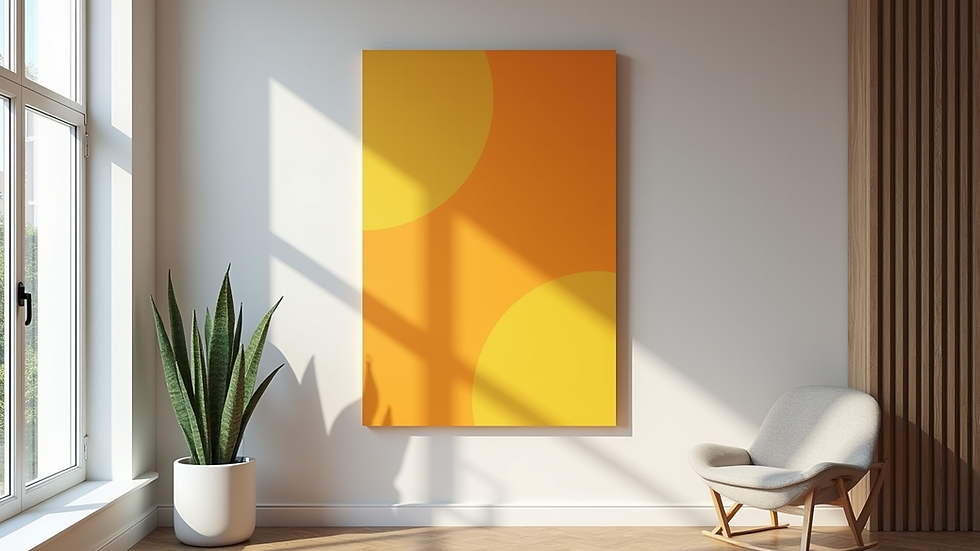
Acrylic cladding is available in hundreds of colors and finishes. For example, a glossy red acrylic panel can brighten up an office space, while a matte finish in soft blue can create a calming atmosphere in a spa. The versatility in design options allows for creative solutions tailored to your specific style.
Durability and Longevity
When it comes to durability, acrylic cladding takes the lead over many other materials, including solid surface options. It is resistant to impacts, weathering, and UV light, which means it will not fade or deteriorate easily.
On the contrary, solid surface cladding can be more vulnerable to scratches and dents. For instance, if installed in a commercial kitchen, acrylic's resilience makes it suitable for heavy use, enduring spills and physical wear better than other materials. In fact, acrylic can last up to 30 years with proper care, while solid surfaces may require earlier replacements or repairs.
Maintenance and Cleaning
The easy maintenance of acrylic cladding is another key advantage. Its smooth, non-porous surface resists stains and is simple to clean; often, a quick wipe with a damp cloth suffices to maintain its beauty.
In contrast, solid surface cladding, while generally easy to look after, might necessitate more effort to keep stains and scratches at bay. This is especially crucial in settings like hospitals or food preparation areas, where hygiene is critical. Acrylic's resistance to absorbing liquids makes it a more hygienic choice overall.

Cost-Effectiveness
Although the upfront cost of acrylic cladding can be higher than that of solid surface cladding, its long-term benefits make it more cost-effective. The durability and minimal maintenance required can lead to substantial savings over time.
For example, if you compare the lifespan and upkeep expenses, acrylic can reduce replacement and repair costs by 20% to 30%. Additionally, the lightweight nature of acrylic can lead to lower shipping and installation costs, adding even more value to this material.
Environmental Considerations
Today, sustainability is top of mind for both consumers and businesses. Acrylic cladding offers a more eco-friendly option compared to solid surface cladding. A significant portion of acrylic products are recyclable, and the production process typically has a smaller environmental footprint.
Solid surface materials may not be as easily recyclable and often involve more energy-intensive manufacturing processes. Selecting acrylic cladding can align perfectly with your commitment to environmental sustainability.
Versatility in Applications
Acrylic cladding is incredibly versatile and can be utilized in a wide range of applications. Whether for residential interiors, such as feature walls, or in commercial settings like facades, acrylic adapts seamlessly to various design needs. Its lightweight properties make it suitable for both wall cladding and decorative installations.
In stark contrast, solid surface cladding is often limited to specific applications like countertops and sinks. The design freedom that comes with acrylic allows for innovative solutions across different contexts and spaces.
Final Thoughts
Choosing acrylic cladding over solid surface cladding offers numerous advantages, including visual appeal, durability, ease of maintenance, cost-effectiveness, environmental benefits, and versatility. Whether you are working on a modern home or a commercial space, acrylic cladding can meet your design needs while providing practical advantages.
As you start your next project, consider the benefits of acrylic cladding and how it can enhance your design while providing long-term functionality. With its vast array of colors and finishes, acrylic cladding is not only a practical choice but also a stylish one that can elevate any setting.


Comments